Build Your Visual Brand Before Your Competition Even Knows You Exist

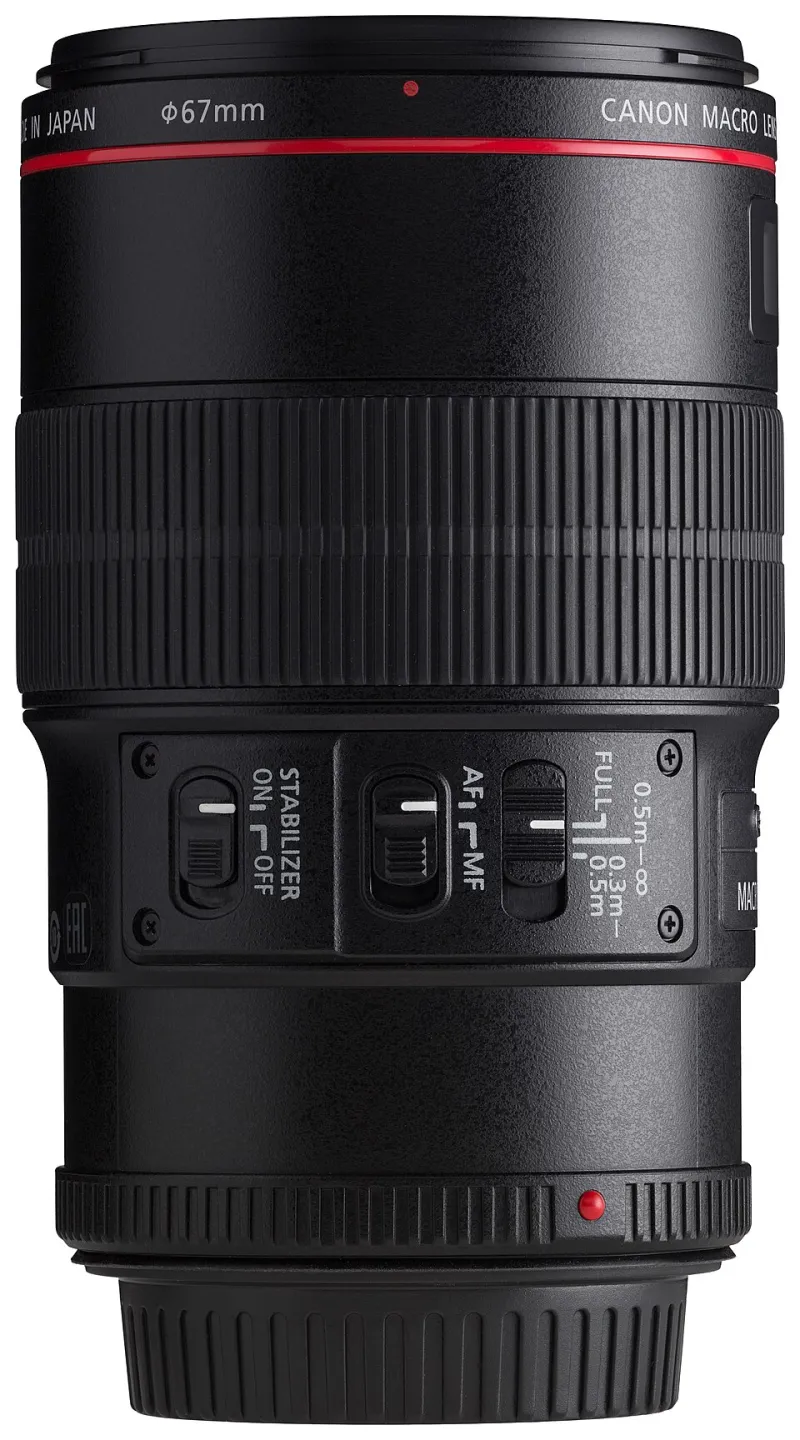
Photo: SSR2000, CC BY-SA 4.0, via Wikimedia Commons
Build Your Visual Brand Before Your Competition Even Exists
There's a moment every founder knows. You've got the product, the pitch, maybe even a few early customers—but your brand looks like it was assembled in a weekend (because it was). Meanwhile, a competitor you've been watching just dropped a website that looks like they've been operating for five years. Their photography is consistent. Their content is polished. Their visual identity feels intentional.
That gap isn't a talent gap. It's a systems gap. And in 2024, the founders who close it fastest are the ones who treat visual asset creation as a core operational function, not a marketing afterthought.
This is the story of how to do that—using Canon imaging tools as the engine.
Why Visual Credibility Compounds
Before we get into workflows, it's worth understanding why this matters at a business level.
Investors, customers, and partners make trust decisions faster than most founders realize. Research from behavioral economists consistently shows that visual coherence—the sense that a brand looks like it knows what it's doing—signals operational competence even before someone reads a word of copy. That's not shallow. That's human pattern recognition working exactly as designed.
For early-stage founders, this means your photography, video, and visual content aren't just marketing collateral. They're trust infrastructure. And unlike a sales funnel or a product roadmap, visual credibility is something you can build faster than almost any other competitive moat—if you have a system.
The Canon Workflow Advantage for Founders
Here's what makes Canon imaging particularly well-suited to the founder context: the ecosystem is designed for output consistency at scale. Whether you're shooting on an R5, an R6 Mark II, or even the more accessible R8, Canon's color science, autofocus reliability, and RAW processing pipeline are built to produce files that are predictable, editable, and brand-consistent across sessions.
That predictability is the hidden value proposition. When you're a solo founder or a small team, you don't have a full-time photographer or a creative director reviewing every frame. You need a system that produces consistent results even when the person behind the camera is also the person running the company.
Step One: Establish Your Visual Signature Early
Before you shoot a single frame, make three decisions that will anchor your entire visual identity:
-
Color temperature and tone. Are you warm and approachable, or cool and technical? This isn't just a vibe choice—it should reflect your brand positioning. A fintech startup probably wants cleaner, cooler tones. A wellness brand might lean warmer. Lock this in your Canon Picture Style settings and apply it consistently.
-
Depth of field signature. Do you shoot wide open for that blurred-background, editorial feel? Or do you prefer sharper, more documentary-style images with context in the frame? Neither is wrong, but consistency is everything. Your audience's brain will start to recognize your visual language before they consciously register your logo.
-
Lighting approach. Natural light with fill? Continuous LED? Strobe? Pick a primary setup you can replicate in different locations. Canon's dual pixel autofocus performs exceptionally well in mixed and natural light conditions, which makes location shooting more viable for founders who don't have studio access.
Step Two: Build a Batch Shooting Rhythm
One of the biggest time sinks for founder-photographers is shooting reactively—grabbing content when you remember you need it, then scrambling to edit and post. The fix is batch creation.
Set aside one half-day per month for a dedicated content shoot. Use that time to capture:
- 20–30 hero images for website and social use
- 5–10 minutes of b-roll footage for reels, pitch decks, and investor updates
- Behind-the-scenes material that humanizes the brand
- Product or service documentation shots
Canon's dual card slot system (available on the R5 and R6 Mark II) makes backup workflows seamless during batch shoots—you're writing RAW to one card and JPEG previews to another simultaneously, which accelerates your culling process significantly.
Step Three: Compress the Edit-to-Publish Pipeline
The editing phase is where most founder content pipelines stall. You shoot great material, it sits in Lightroom for three weeks, and by the time you publish it, the moment has passed.
The solution is a preset-first workflow. Build or purchase a small set of Lightroom presets that match your visual signature (see Step One), and apply them as your starting point on every import. Canon RAW files—especially from the R-series sensors—respond exceptionally well to preset-based editing because the color profiles are consistent and well-characterized in Adobe's ecosystem.
A realistic target: 30 minutes from import to a batch of 10 export-ready images. That's achievable with a disciplined preset workflow and selective culling. You don't need to edit every shot—you need to edit the right ones fast.
Step Four: Create a Visual Asset Library, Not Just a Feed
Here's a mindset shift that separates founders who look consistently credible from those who don't: stop thinking in posts and start thinking in assets.
Every shoot should produce material that lives in at least three places: your social feed, your website, and your pitch materials. When you photograph a product, you should walk away with a hero shot for the site, a cropped square for Instagram, a widescreen version for a deck slide, and a lifestyle context shot for editorial use. That's one subject, four assets, one shoot.
Canon's high-resolution sensors—the R5 captures 45 megapixels—give you the flexibility to crop aggressively for different format requirements without losing quality. This multiplies your asset output without multiplying your shooting time.
What Investors Actually See
Let's be direct about something: when a founder sends a pitch deck with blurry, inconsistent, or stock-photo-dependent imagery, it signals something. Not that they're bad at photography—that they haven't thought carefully about how their brand communicates. Investors pattern-match on these signals, consciously or not.
Conversely, a deck populated with sharp, consistent, original photography—real product shots, real team moments, real customer context—signals operational intentionality. It shows that the founder sweats the details that matter to customers. That's a trust signal that no amount of stock imagery can replicate.
The Competitive Window Is Shorter Than You Think
Here's the uncomfortable truth: the window where visual credibility is a real differentiator is narrow. Once your category matures and every competitor has invested in their visual brand, it becomes table stakes rather than an advantage. The founders who move early—who build a consistent, professional visual identity before they've scaled, before they've raised, before they've hired a marketing team—are the ones who arrive at every subsequent stage with a head start.
Your Canon imaging workflow isn't a creative hobby. It's a competitive asset. Treat it like one.