Lights, Camera, Funding: How Founders Are Using Canon Video to Close Investment Rounds
Photo: Enmanuel Benavides, CC BY-SA 4.0, via Wikimedia Commons
There's a moment every founder knows — you've sent your deck to a VC, and it's sitting in a folder with forty other decks. You've got maybe ninety seconds to make them care before they move on. Most founders bet everything on slides. Increasingly, the ones who are winning bets on video.
Not just any video. Not a shaky iPhone clip with bad audio and a background full of office clutter. We're talking about deliberate, well-produced video that communicates competence, vision, and credibility before a single word of your pitch is spoken.
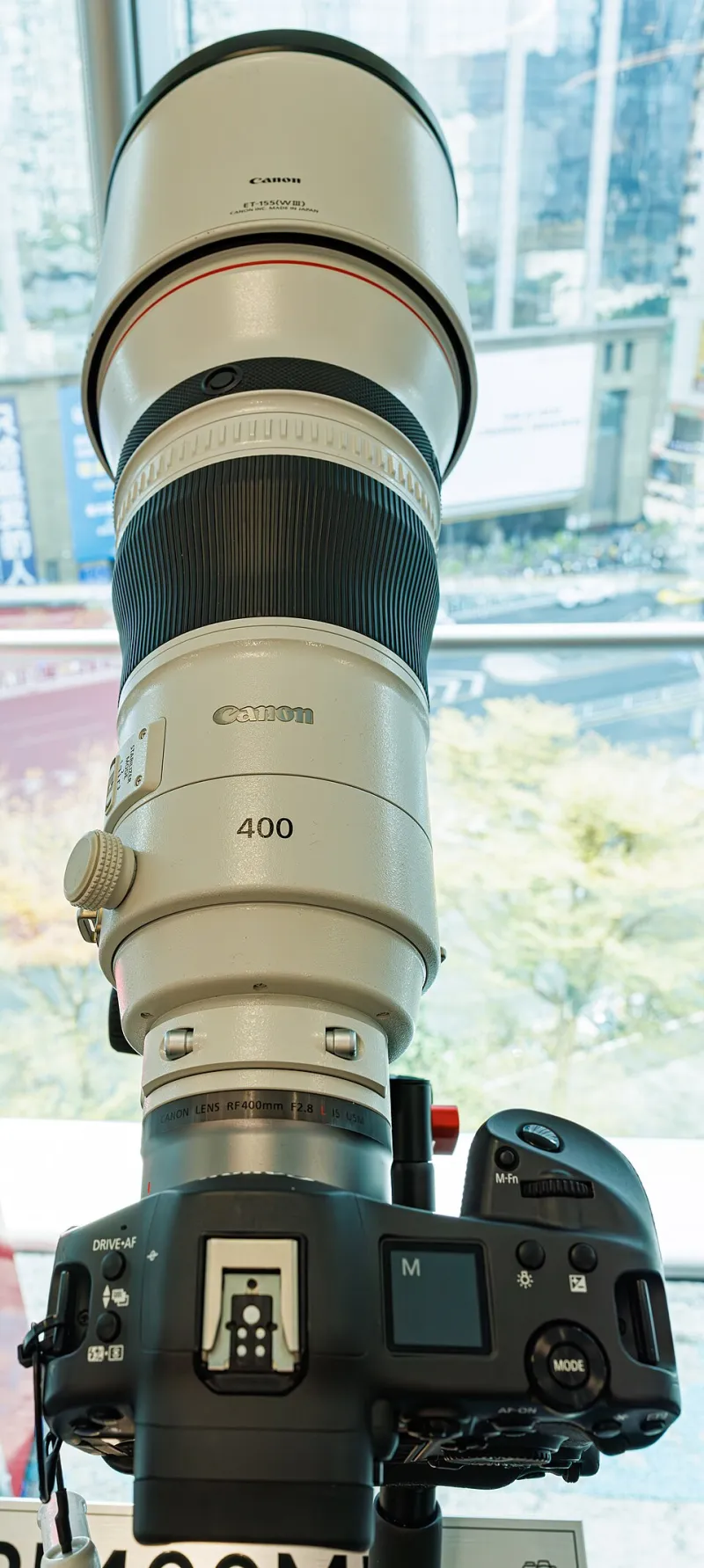
Canon's cinema-grade mirrorless lineup — particularly the EOS R5 C, the EOS R5, and even the accessible R6 Mark II — has become a go-to production tool for founders who understand that visual quality is a proxy signal. Investors pattern-match constantly. A founder who shows up with professional video is signaling that they sweat the details. That they execute. That they care about how their brand shows up in the world.
Here's how smart startups are putting that signal to work.
Why Video Works Where Slides Fall Short
Deck fatigue is real. Investors at active seed funds see hundreds of pitch decks a month. A well-designed slide deck is table stakes — it no longer differentiates. What does differentiate is a two-minute video that opens with your product solving a real problem, voiced by a founder who clearly believes in what they're building, shot in a way that feels intentional and professional.
Video also does something slides fundamentally can't: it conveys momentum. Seeing a product in motion, watching a customer interact with it, hearing a founder articulate their vision with genuine conviction — these are emotional triggers that activate investor interest in a way that bullet points never will.
The founders getting the most out of this aren't filmmakers. They're operators who learned just enough about production to make smart gear choices and build repeatable workflows.
The Gear Setup That's Becoming a Founder Favorite
The Canon EOS R5 C has become something of a cult favorite among startup founders who want cinema specs without a full production crew. It combines the still-photography versatility of the R5 body with an internal fan for sustained video recording — something that matters enormously when you're shooting a thirty-minute product walkthrough and can't afford overheating shutdowns mid-demo.
For founders who already own an R5 or R6 Mark II for marketing content, those bodies work well for shorter pitch videos and investor-facing clips. The key is pairing the camera with a quality lens (the RF 35mm f/1.8 is a compact, affordable option that produces beautiful shallow-depth-of-field footage) and investing in audio — a Rode VideoMic Pro or a lav mic setup makes a bigger difference to perceived quality than almost any camera upgrade.
A basic founder video setup that produces genuinely professional results:
- Canon R6 Mark II or R5 C (body)
- RF 35mm f/1.8 or RF 50mm f/1.8 (lens)
- Rode Wireless GO II (wireless lav audio)
- Elgato Key Light or Aputure Amaran (LED panel lighting)
- Joby GorillaPod or small travel tripod (stability)
Total investment: $2,500 to $5,000 depending on body choice. For a startup raising a seed round, that's a rounding error on your cap table — and it's a tool you'll use for years.
Case Study: The SaaS Demo That Changed the Conversation
One early-stage SaaS founder in the HR tech space — bootstrapped, pre-revenue, raising her first friends-and-family round — was getting polite but noncommittal responses to her deck. She'd built a genuinely useful product, but the screenshots and mockups in her slides weren't conveying how fluid the UX actually was.
She spent a weekend shooting a three-minute product demo on her R6 Mark II, using screen capture software synced with her camera footage so investors could see her face and the product simultaneously. She added a simple voiceover narration recorded with a USB condenser mic, cut it in DaVinci Resolve (free), and embedded it at the top of her deck.
Response rates to her follow-up emails jumped significantly. Two investors specifically mentioned the video in their first calls. She closed a $150,000 round within six weeks of sending the updated deck.
The video wasn't cinematic. It wasn't a Hollywood production. But it was clear, clean, and confident — and that combination communicated exactly what investors needed to see.
Storytelling Architecture: What Your Pitch Video Actually Needs
There's a structure that works for startup pitch videos, and it's not complicated:
Open with the problem. Not your company name. Not your logo. The problem. Show a real person experiencing the frustration your product solves. Canon's color science and low-light capability make it easy to shoot authentic, documentary-style problem statements that feel real rather than staged.
Introduce the product in motion. Don't describe features — show them working. If you're building software, use screen recording overlaid on your camera footage. If you're building hardware, put it in someone's hands and shoot it in use.
Let a real customer speak. Even one genuine testimonial, shot simply with a Canon body and good lighting, carries more weight than a founder's own claims. Keep it short — thirty seconds is enough.
Close with the founder's conviction. Look directly into the lens. Tell investors why you're the right person to build this, in one or two sentences. The camera captures authenticity in ways that slide decks simply cannot.
The Workflow That Keeps Production Lean
Founders don't have time to become full-time video editors. The good news is that you don't need to. Canon's Canon Log 3 picture profile (available on the R5, R5 C, and R6 Mark II) gives you a flat, flexible color profile that responds beautifully to basic color correction — meaning you can apply a simple LUT in DaVinci Resolve or Adobe Premiere and get a polished, cinematic look in minutes rather than hours.
Shoot in 4K, edit in a 1080p timeline for faster rendering, export at 1080p for email and web delivery. Keep your raw files backed up on a portable SSD. The whole workflow, from shoot to finished video, can be done in a weekend once you've run through it a couple of times.
The Signal You're Actually Sending
At the end of the day, the founders who are using Canon video to win investors aren't doing it because they love cameras. They're doing it because they understand that every touchpoint with a potential investor is a data point. A well-produced video says: we know how to allocate resources, we understand that presentation matters, and we execute at a high level even before we have funding.
That's a signal worth investing in. And it starts with picking up the right gear and pointing it at the story you're trying to tell.