Sell, Hold, or Upgrade? A Bootstrapped Founder's Playbook for Canon Gear Timing
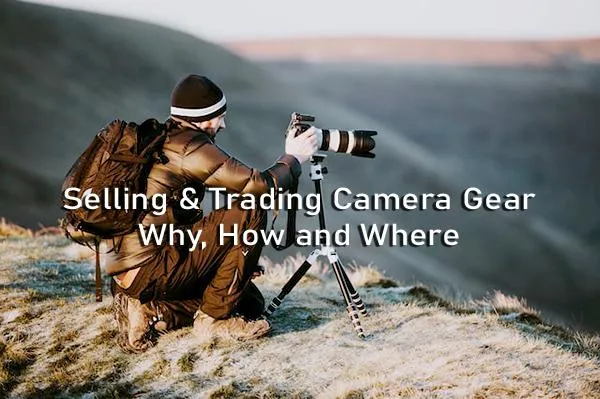
Photo: camera gear resale entrepreneur selling equipment business, via www.shutterbug.com
Here's a scenario that plays out constantly in the creative entrepreneur world: you buy a Canon body, grind through a couple of years of client work, and then realize you need something better. So you list the old gear on eBay or Facebook Marketplace — only to discover it's worth about half of what you paid. That sting? Totally avoidable with a little planning.
Gear isn't just a tool. For a bootstrapped founder, it's a depreciating asset sitting on your balance sheet. The way you time your buys and sells can genuinely make or break your cash flow during a growth phase. So let's talk strategy.
Why Canon Gear Depreciates the Way It Does
Canon's lineup follows a pretty predictable depreciation curve — if you know where to look. Bodies take the sharpest hit early. A newly released R-series body will drop 15–25% in resale value within the first six months of launch, simply because early adopters flood the used market and supply catches up with demand. After that initial dip, depreciation tends to slow considerably — especially for bodies that become workhorses in the Canon ecosystem.
Lenses are a different story. Canon RF glass holds its value much better than bodies over time, largely because the RF mount is still maturing and demand for quality glass consistently outpaces supply. A lens like the RF 50mm f/1.2L or the RF 85mm f/1.2L can retain 70–80% of its original value for years, provided it's well-maintained. EF glass has softened a bit as the industry shifts to mirrorless, but staple lenses — your 24-70mm f/2.8L II, your 70-200mm f/2.8L IS III — still command solid resale prices because the installed base of EF shooters is massive.
The Optimal Window to Sell a Canon Body
If you bought a Canon body at launch and you're thinking about selling, timing is everything. Here's a rough framework:
0–6 months after purchase: You're in the steepest depreciation zone. Unless you have a very compelling reason to sell, hold. You'll take a significant loss.
6–18 months: This is where the curve flattens. The body has found its market value floor, and if you've kept it in good condition, you can still recover 60–70% of retail. For most founders, this is the sweet spot to list if you genuinely need to upgrade.
18 months to 3 years: Resale value stabilizes but starts creeping down again as successor bodies get announced. Watch Canon's announcement cycles. When rumors of a new model start circulating — and they will, because Canon's product cadence is pretty reliable — list your current body before the announcement tanks the used market.
Post-successor announcement: Once Canon officially drops the next generation, expect your current body to lose another 10–15% in resale value within weeks. If you haven't listed yet, you're now in damage control mode.
How to Read Canon's Announcement Cycles
Canon tends to refresh flagship bodies every two to three years. The R5 Mark II arrived roughly four years after the original R5, but the R6 Mark II came just two years after the R6. Mid-tier and entry-level bodies tend to refresh faster. Keeping an eye on sites like Canon Rumors (canonrumors.com) gives you a real-time pulse on what's coming. This isn't speculation — it's practical financial planning for your business.
Set a calendar reminder to check those rumor cycles every six months. When credible leaks start appearing, that's your signal to evaluate whether holding or selling makes more sense for your current situation.
Lenses: Hold Longer Than You Think
Here's advice that runs counter to a lot of gear-churn culture: hold your Canon RF lenses as long as humanly possible. The resale market for RF glass is strong, but you're unlikely to find a better deal buying used than what you'd get selling used — it's a wash at best. Unless a lens genuinely isn't serving your current work, hanging onto it almost always beats the transaction costs of selling and re-buying.
The exception? EF lenses you're no longer using because you've gone full RF. If you've got EF glass collecting dust and no plans to use an adapter, sell it now. The EF ecosystem will continue softening as Canon phases down EF development, and waiting only shrinks your return.
Platforms That Actually Move Canon Gear
Not all resale platforms are created equal. Here's a quick breakdown for US sellers:
- MPB and KEH: These are the go-to platforms for selling Canon gear quickly without the hassle of individual buyers. You'll get slightly less than private sale, but the speed and reliability are worth it if cash flow is urgent.
- eBay: Highest potential return, but you're dealing with fees (around 12–15% for camera equipment), shipping logistics, and the occasional nightmare buyer. Best for lenses and accessories where the margin makes it worthwhile.
- Facebook Marketplace / Craigslist: Great for local sales with zero fees, but vetting buyers is on you. Works well for bodies and larger kits where local pickup avoids shipping risk.
- r/photomarket on Reddit: Underrated for camera gear. Active community of serious buyers who understand fair pricing. Lower fees than eBay and generally smoother transactions.
Building a Smarter Upgrade Strategy
The founders who consistently upgrade without losing money share one habit: they plan the exit before they make the purchase. When you buy a Canon body, ask yourself upfront — if I need to sell this in 18 months, what's a realistic recovery price? Factor that into your total cost of ownership calculation.
For example, if you buy an R6 Mark II for $2,500 and estimate you'll recover $1,600 in 18 months, your real cost of using that camera for a year and a half is $900 — about $50 a month. That's a very manageable number for a working creative business. The founders who get burned are the ones who treat gear purchases as permanent and then panic-sell when they need to upgrade.
Also worth considering: buying used instead of new compresses that depreciation curve dramatically. A used Canon body that's already absorbed the initial drop gives you a much flatter resale trajectory. You might pay $1,800 for a used R6 Mark II in excellent condition and sell it for $1,400 two years later. That's a $400 loss — far better than the $900 hit on a new purchase.
The Bottom Line
Gear timing isn't glamorous, but it's one of the most practical financial skills a creative founder can develop. Canon's ecosystem is deep and the resale market is active — which means there's real money to be recovered if you're strategic about when you buy, when you hold, and when you let go. Treat every piece of gear like a business decision, not an emotional purchase, and your upgrade path stays funded by the gear you're leaving behind.