Camera System Regret Is Real — Here's How to Pick Canon Once and Stick With It

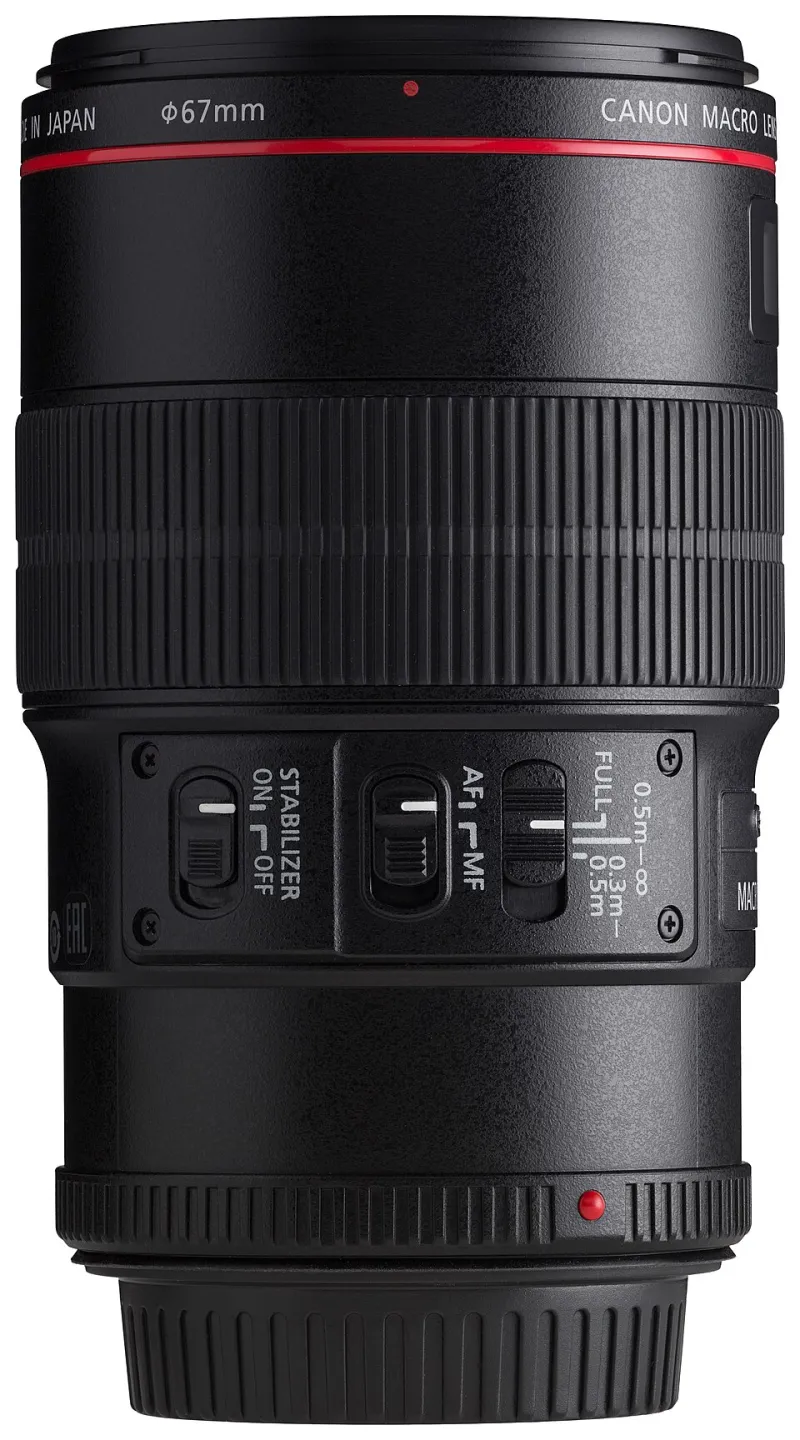
Photo: Xjvolker, CC BY-SA 4.0, via Wikimedia Commons
There's a particular kind of financial pain that creative entrepreneurs don't talk about enough — the quiet, creeping cost of realizing you bought into the wrong camera system. You didn't overspend on a single item. You just bought a body, then a lens, then an adapter, then another lens, and somewhere around month fourteen you're staring at a Facebook Marketplace listing for your entire kit and wondering where it all went sideways.
This isn't a rare story. It happens to founders constantly, and it's almost never about the camera itself. It's about ecosystem mismatch — buying gear that doesn't align with your actual workflow, your real client base, or the direction your business is quietly headed.
Let's talk about how to stop that from happening to you.
The Real Cost of Switching Isn't the Body — It's the Glass
Camera bodies depreciate. Everyone knows that. But lenses? RF-mount glass from Canon holds value remarkably well, which sounds like a win until you realize that it also means you're not getting much back when you sell.
The hidden tax of switching systems shows up in the spread between what you paid and what you recover. A Canon RF 24-70mm f/2.8L USM might retail around $2,300. Sell it used after 18 months of moderate use and you might walk away with $1,600 to $1,800 if you're lucky and patient. That $500-plus gap is your switching fee — and if you've built a two- or three-lens kit, you're looking at a four-figure penalty just for changing your mind.
Founders who jump systems often underestimate this spread because they're focused on the shiny object at the destination, not the exit cost at the door they're leaving through.
Ecosystem Lock-In: Feature or Bug?
Canon has spent years building a closed-loop ecosystem around RF mount. That's intentional. The RF lens lineup is genuinely excellent — optically and ergonomically — but it's designed to keep you inside Canon's world. The control ring on RF lenses, the deep integration with Canon's color science in EOS R bodies, the seamless pairing with Canon's Log profiles for video work — these aren't accidents. They're retention strategies.
For founders, this can be either a feature or a trap depending on your situation.
If your business is primarily photo-based — portraits, events, commercial product work — Canon's RF ecosystem is one of the most mature and capable stacks available right now. The color rendering is trusted by clients, the autofocus is genuinely competitive, and the lens selection has filled in substantially over the last few years.
But if your business is drifting toward hybrid video, cinematic content, or high-volume social media production, you need to be honest about whether Canon's video ecosystem meets your needs before you commit. Canon Log 3, HDMI output limitations on certain bodies, and overheating concerns on older R5 units have all been legitimate friction points for video-forward founders. Some of those have been addressed. Some haven't.
The question isn't whether Canon is good. It's whether Canon is right for your trajectory.
Workflow Friction Is Invisible Until It Isn't
Here's something nobody tells you when you're watching unboxing videos: workflow friction compounds. A five-minute inefficiency repeated across 200 shoot days is over 16 hours of lost productivity annually. That's not nothing for a solo founder.
Common friction points that drive Canon users toward the exit:
File management headaches. Canon's CR3 RAW format is excellent, but if your editing pipeline is built around a third-party tool that's slow to update its codec support, you're fighting the system on every import.
Autofocus behavior mismatches. Canon's subject-detection AF is exceptional for stills. For certain video applications — particularly fast-moving, unpredictable subjects — the tracking behavior can feel jarring. Founders who discover this after buying in sometimes blame the system when the real issue is that their use case needed different AF tuning.
Ergonomic mismatch. Canon bodies are designed around a specific grip philosophy. If you're coming from Sony or Nikon, the button layout takes real adjustment. Founders who don't invest in that learning curve often blame the camera for what is actually an onboarding gap.
The Framework: Evaluate Fit Before You Commit
Before you spend a dollar on Canon gear — or before you consider jumping ship from a Canon kit you already own — run through this evaluation:
1. Map your actual deliverables, not your aspirational ones. What are you literally handing clients right now? Not what you want to be shooting in two years — what's on your invoice today? Build your gear decisions around your current revenue mix, not your mood board.
2. Identify your single most important technical requirement. For some founders, it's low-light performance. For others, it's video resolution. For others, it's burst speed for event work. Canon excels in some of these and is merely competitive in others. Know your priority before you optimize for everything and end up optimized for nothing.
3. Price the exit before you price the entry. Before committing to any lens over $800, ask yourself: if I had to sell this in 18 months, what would I realistically recover? Build that gap into your mental accounting from day one.
4. Rent before you resent. Services like LensRentals and BorrowLenses exist specifically so you don't have to guess. A $75 weekend rental of a Canon EOS R6 Mark II before a $2,500 purchase is one of the highest-ROI decisions you can make as a bootstrapped founder.
5. Audit your software stack for compatibility. Capture One, Lightroom, DaVinci Resolve — check that your editing tools handle Canon's file formats efficiently before you're processing 500 RAW files on a deadline and discovering your workflow hates your camera.
If You're Already In — Don't Bail Without Doing the Math
If you've already invested in Canon and you're feeling the itch to switch, slow down. Run the actual numbers. Add up what you paid for your kit, research current used market prices on eBay sold listings (not asking prices — sold listings), and calculate your real exit cost.
Then ask: what specific problem am I trying to solve by switching? If the answer is a genuine technical gap that Canon can't address, that's a real conversation. If the answer is that you saw a YouTube video about a Sony body and got excited, that's a different conversation — and a much more expensive one.
Switching systems is sometimes the right call. But it should be a deliberate business decision, not an emotional reaction to gear envy.
The founders who build durable creative businesses aren't the ones with the trendiest kit. They're the ones who chose a system, learned it deeply, and shipped consistently. Canon's ecosystem gives you the tools to do exactly that — if you go in with clear eyes and a plan that actually matches your business.