Your Camera Bag Is a Content Department: How One Canon Body Replaces a Whole Media Team
Every founder eventually hits the same wall. You need content — daily social posts, a pitch video, product shots, a founder story for LinkedIn — and you need it yesterday. The default move is to assume you need people: a videographer, a photographer, maybe an agency on retainer. That's a $5,000-a-month answer to a problem that, honestly, a single camera bag can solve.
The pitch for running your entire media operation solo isn't about being a better creator. It's about velocity. When the camera lives in your bag, content stops being a project and starts being a byproduct of your week.
The Minimal Kit That Actually Covers Everything
Here's the uncomfortable truth about gear: one body and two lenses can produce roughly 90% of what a small startup needs. The rest is procrastination dressed up as production value.
The setup that keeps coming up in founder conversations:
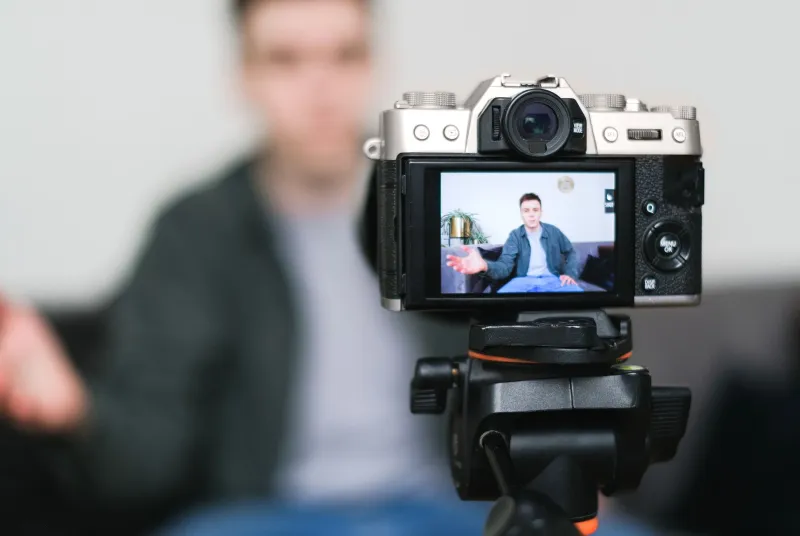
- One Canon body with reliable autofocus — something in the R-series mirrorless line. The eye-tracking AF matters more than sensor size when you're filming yourself talking to a lens with no crew.
- A 24-70mm equivalent zoom — your workhorse. Product shots, b-roll, team candids, investor-meeting clips. It does everything adequately and nothing poorly.
- A fast 35mm or 50mm prime — this is your "brand look." Shallow depth of field, clean talking-head footage, the polished hero shots for your website.
That's it. Add a small tripod, a wireless mic, and a portable light, and you've built a media department that fits under an airplane seat.
The mistake most founders make at this stage is buying for hypotheticals. You don't need a third lens for the documentary you might shoot next year. You need to ship this week's content.
The Weekly Workflow: Two Hours In, Seven Days Out
Content dies from friction, not from lack of ideas. The fix is batching — one focused session per week that feeds everything else.
Here's a realistic schedule for a founder who also, you know, runs a company:
Monday or Friday, 90 minutes — shoot day. Block it on your calendar like an investor call. Set up in one location, change shirts if you need to fake multiple days. Film your talking-head pieces first while your energy is up, then knock out product b-roll and any candid shots. One setup, one lighting configuration, maximum output.
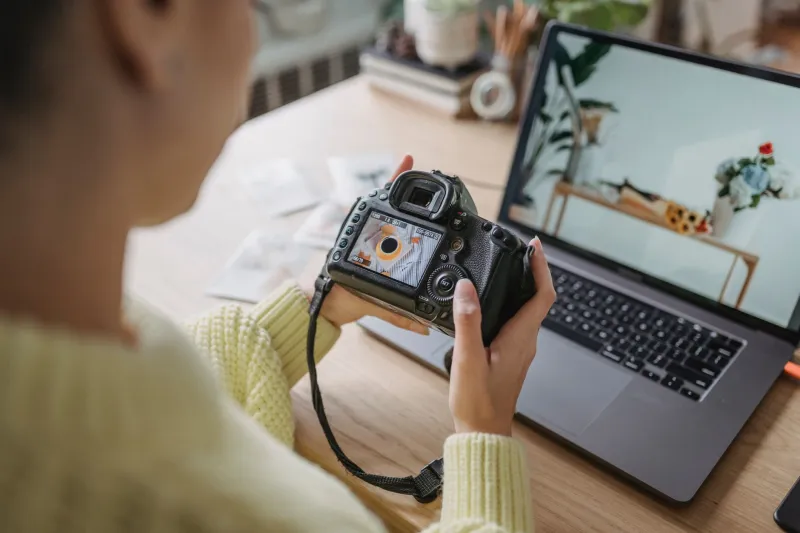
Same day, 30 minutes — dump and organize. Offload to your drive, rename files, pick your keepers. Do this immediately or the footage becomes a guilt pile.
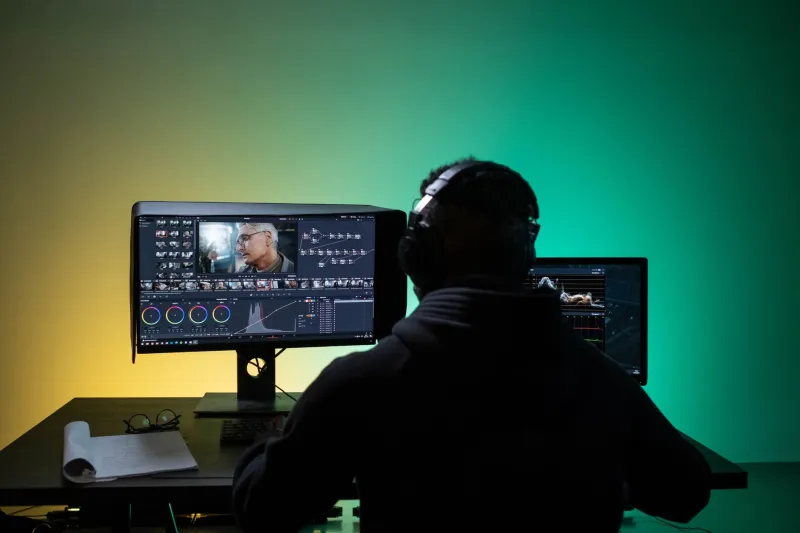
Tuesday and Thursday, 45 minutes each — edit sessions. Cut one short-form video and one longer piece per week. Canon's color science earns its keep here: footage from the same session matches across clips, so your grade is basically drag-and-drop.
That's roughly three hours a week to feed a content calendar most seed-stage startups can't sustain with a full-time hire.
What One Session Actually Yields
Let's run the numbers, because founders trust math more than vibes.
A single 90-minute batch session with this kit typically produces:
- 8–12 short-form clips (30–60 seconds each) from your talking-head segments
- 20–40 b-roll shots for cutaways, background posts, and website refreshes
- 15–25 stills usable for LinkedIn, email newsletters, or press kits
- 1–2 longer assets — a product demo, a founder update, a pitch appendix video
Edited across the week, that single session generates roughly 15–20 publishable pieces of content. At one batch session per week, you're looking at 60–80 assets a month from a camera that cost less than one month of agency fees.
The gear-to-output ratio is the whole argument. A $2,500 kit producing 70 assets a month is about $1 per asset in the first month — and the cost per asset drops every month after that. Compare that to a single professionally produced brand video, which routinely runs $3,000–$10,000 in most US markets.
The Investor-Facing Layer
Here's where solo content pays off beyond social. When you're fundraising, the ability to drop a clean 60-second product clip into a data room or follow-up email separates you from the 40 other decks in an investor's inbox.
You don't need cinema-grade footage. You need consistency — the same color palette, the same framing, the same energy across every asset. Shooting everything on one body with the same two lenses gives you that consistency for free. Your brand looks intentional because it is.
Where This Breaks Down (Be Honest With Yourself)
The one-person media machine has failure modes:
- You become the bottleneck. If you're the only one who can shoot, content stops when you travel or crunch. Solve this by teaching one teammate the batching workflow in month two.
- Editing eats your week. If three hours becomes eight, your batching is too ambitious. Cut scope, not consistency.
- You outgrow the kit — eventually. When a client project or campaign genuinely demands a second body or a specialist lens, rent it. Don't buy your way into a gear shelf.
The goal was never to become a production company. It was to make sure your startup never goes quiet because nobody was around with a camera. One bag, two lenses, three hours a week. That's the whole system — and it ships.