Your Canon's Video Specs Look Great on Paper — But Can You Actually Deliver on Tuesday?
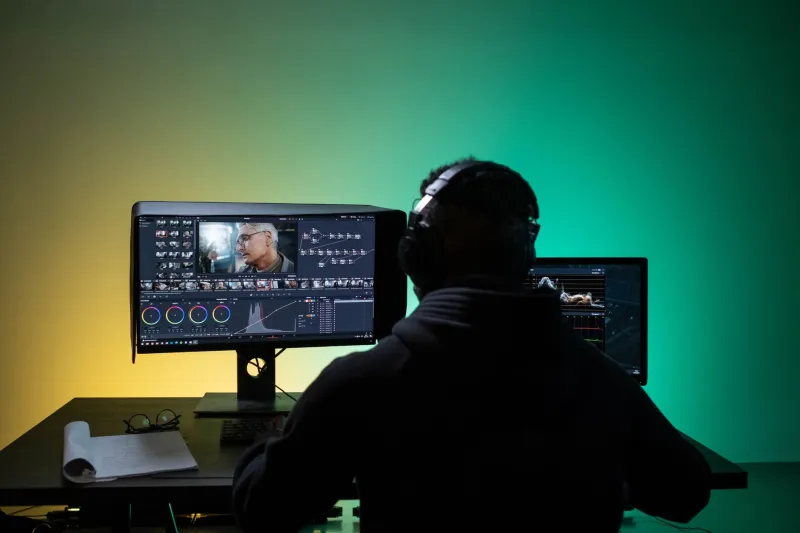
There's a trap a lot of early-stage creative founders fall into, and it looks completely reasonable from the outside. You're building a video production business, so naturally you research the best possible specs. You compare 4K120 versus 4K60, weigh RAW output against compressed codecs, and agonize over whether the Canon EOS R5 C is overkill or the R6 Mark II is undershooting your brand. You spend three weeks on forums and YouTube deep-dives before you ever land a single client.
Here's what nobody says out loud: the camera that closes your next deal probably isn't the one with the highest ceiling. It's the one that gets polished footage into your client's inbox the fastest.
The Spec Sheet Is a Marketing Tool, Not a Business Plan
Canon makes genuinely excellent cameras across its lineup. The technical gap between a well-configured EOS R7 and an R5 C is real — but in most client-facing scenarios, that gap matters far less than how quickly you can move from card to cut to delivery.
Think about the typical commercial client in the US market: a regional brand, a small business owner, a real estate agency, a local nonprofit running a fundraising campaign. These clients aren't watching your footage on a 4K reference monitor with a color-calibrated eye. They're watching it on a MacBook in a coffee shop or previewing a cut on their phone before approving final delivery. What they absolutely are tracking is whether you hit the deadline, responded to revisions quickly, and made the whole process feel easy.
When you optimize for specs at the expense of workflow, you're solving for a problem your clients don't actually have.
The Pipeline Problem Nobody Talks About
Here's a real scenario worth sitting with. Imagine two founders — let's call them Dana and Marcus — both shooting corporate video for similar clients in the same city. Dana invested in a body that shoots Cinema RAW Light, convinced that the image quality would justify the price premium and attract premium clients. Marcus picked up an R6 Mark II and shoots in Canon Log 3 with a compressed codec.
Dana's footage looks stunning in the grade. But Cinema RAW Light files are massive, require specific software support, and chew through render time. Dana's edit suite spends half the night transcoding before color work even begins. A two-minute brand video takes nearly two full days to deliver from shoot wrap to final export.
Marcus's files? They're in the timeline in under an hour. Canon Log 3 plays nicely with DaVinci Resolve and Final Cut Pro without proxy nightmares. Color grading is fast because the starting point is clean and predictable. That two-minute video ships the same day it's shot.
Over a single quarter, Marcus completed four more client projects than Dana — not because of talent, not because of hustle, but because the pipeline was leaner. At even modest project rates, that's a meaningful revenue gap created entirely by a workflow decision.
Frame Rate Flexibility Is a Real Thing — and It's Not About the Number
When founders talk about frame rate flexibility, they usually mean something technical: the ability to shoot slow motion, the option to deliver in 24p or 30p depending on client preference, maybe the freedom to pull freeze frames from high-frame footage. That stuff matters, but it's not the whole picture.
True flexibility means you can adapt your entire production and post-production approach to fit a client's actual timeline, not the other way around. A camera that gives you 4K120 but forces you into a transcoding bottleneck isn't flexible — it's a liability when a client needs a 48-hour turnaround.
The Canon EOS R-series lineup, particularly the R6 Mark II and the R8, is worth looking at through this lens. Both cameras shoot clean, graded-friendly footage that moves through standard NLE workflows without drama. Neither is the most spec-impressive option on the market. Both are genuinely fast to work with, which means they're genuinely profitable to work with.
Build Your Workflow Before You Buy Your Camera
This is the move that separates founders who scale from founders who stall: map your post-production pipeline before you commit to a camera body.
Ask yourself these questions before your next gear decision:
- What editing software am I running, and what codecs does it handle natively? If you're on Final Cut Pro and you're buying a body that outputs formats requiring a proxy workflow by default, you've just added invisible labor to every project.
- What's my average turnaround commitment to clients? If you're promising 48-hour delivery on event coverage, your camera choice needs to support that promise, not fight against it.
- How much storage and processing power do I actually have? Shooting in the highest available quality sounds smart until you realize your current machine can't render it without overheating.
- What does my client actually need delivered? Web video, social content, and broadcast each have different requirements. Most small business clients don't need 6K RAW. They need clean, color-accurate footage that edits fast and looks professional on a 1080p timeline.
Once you've answered those questions honestly, the right Canon body usually becomes obvious — and it's often not the most expensive one.
When Higher Specs Actually Earn Their Keep
None of this means you should ignore specs entirely. There are scenarios where technical ceiling genuinely matters for your business model. If you're pursuing high-end commercial work, agency contracts, or broadcast-adjacent projects, clients in those spaces do care about your technical output. If you're building a business around licensing footage or selling stock video, resolution and dynamic range have direct revenue implications.
The point isn't that specs don't matter. The point is that specs should serve your business model, not define it. If your current client base is regional businesses, social content creators, and event coverage, you're likely leaving money on the table by over-investing in technical capability you can't monetize — while under-investing in workflow tools that would let you take on more projects per month.
The Business Case for the "Lesser" Camera
At LaunchFrame, we talk a lot about shipping smart — and this is exactly what that looks like in practice. The Canon body that ships client work faster, generates repeat business through reliable delivery, and keeps your operating costs lean is doing more for your bottom line than a spec-heavy alternative sitting in a slower pipeline.
Before you drop another dollar on a camera upgrade, run the numbers on your current workflow. How many hours per project are you spending in post? How many projects per month are you realistically completing? What would one additional project per month be worth to your business annually?
If the answer to that last question is meaningful — and it almost certainly is — then the smartest investment you can make right now might not be a better camera. It might be a faster workflow built around the Canon gear you already have.
The best frame rate for your business is the one that gets the job done before the deadline. Everything else is just a number on a spec sheet.